How to Optimize Radio Shuttle Storage for Maximum Efficiency?

Time:2026-07-31 Author:Isabella
0%

In the fast-evolving landscape of warehouse management, optimizing Radio Shuttle Storage systems has become crucial. According to John Smith, an expert in logistics solutions, "Efficiency in storage is not just about speed; it's about smart strategies." His insights remind us that even sophisticated systems require diligent planning. Radio Shuttle Storage, designed to maximize space, can greatly enhance operational efficiency when implemented correctly.

Properly utilizing this system starts with understanding the available technology. It involves integrating automated shuttles with racking systems. Each shuttle should operate seamlessly, reducing the time spent fetching pallets. However, many organizations overlook the importance of layout and design. Inefficiently arranged spaces can negate the advantages of Radio Shuttle Storage. Therefore, ongoing assessments and adjustments are essential for maintaining optimal operation.

Moreover, staff training plays a pivotal role. Even with advanced technology, human oversight can introduce errors. Data shows that teams familiar with Radio Shuttle operations significantly improve overall efficiency. Regular training sessions can bridge this gap. Thus, the quest for maximum efficiency in Radio Shuttle Storage is both a technical challenge and a human one. Engaging with both aspects will yield the best results.
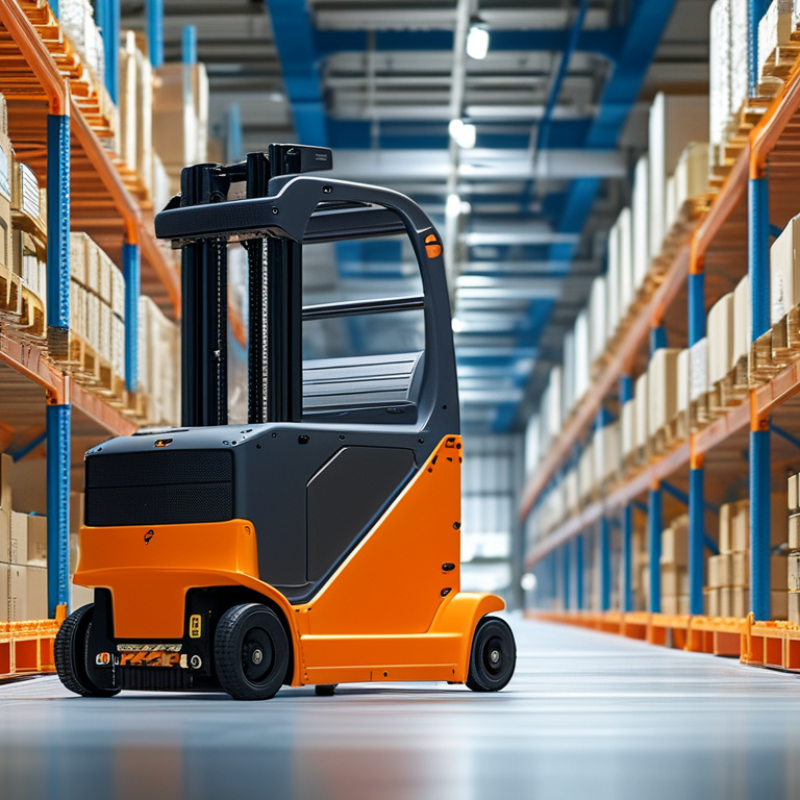
How to Optimize Radio Shuttle Storage for Maximum Efficiency?

Understanding Radio Shuttle Storage Systems and Their Benefits

Radio shuttle storage systems have gained traction in recent years due to their efficiency and space optimization. As businesses strive to maximize storage capabilities, these systems have emerged as a viable solution. A report by the Warehousing Research Institute indicated that effective use of radio shuttles can improve storage density by up to 60%. This is essential in today’s fast-paced logistics environment, where every inch of space counts.

The design of radio shuttle systems allows for increased flexibility. They operate by autonomously moving pallets within storage racks, reducing the time spent on manual handling. In fact, studies show that companies can achieve a 30% reduction in picking time. However, improper layout and technology integration can lead to inefficiencies. It’s crucial for organizations to ensure that their systems are tailored to their specific needs, optimizing both workflow and safety.

Furthermore, adapting these systems to evolving technologies can present challenges. While the ROI can be significant, initial costs may deter some operators. A 2022 survey revealed that 25% of businesses reported difficulties in integrating automated systems with existing platforms. Addressing these concerns early on can prevent setbacks and enhance operational efficiency in the long run.

Optimization of Radio Shuttle Storage Efficiency

Key Factors Influencing Efficiency in Radio Shuttle Storage Operations

In radio shuttle storage operations, several key factors influence overall efficiency. One significant element is the layout of the storage facility. A well-planned layout minimizes travel time for shuttles. Ensure pathways are clear and logical. This saves operators time and effort in retrieving goods.

Another critical factor is the technology used in these systems. Advanced shuttles equipped with sensors enhance the accuracy of inventory tracking. However, operators should regularly assess this technology. Outdated software can lead to inefficiencies. Regular updates and training for personnel will bridge any gaps in operation.

Lastly, inventory management practices play a huge role. Real-time data on stock levels can prevent overstocking or understocking. It’s essential to maintain a balance. Analyzing turnover rates can aid in refining these practices. Yet, sometimes, relying too heavily on data can lead to missed opportunities for improvement. Making adjustments based on ground realities is necessary.

Best Practices for Layout Design in Radio Shuttle Storage Systems

Efficient layout design is crucial for optimizing radio shuttle storage systems. A well-planned layout can reduce waste, streamline operations, and improve accessibility. Industry reports suggest that a significant percentage of warehouse inefficiencies stem from poor design. Studies show that facilities with optimized layouts can achieve up to 30% higher storage capacity.

Space utilization is a key aspect to consider. Avoiding dead zones is essential. Ensure that aisles are wide enough for shuttle movement but not too wide, which could waste space. According to the Warehousing Efficiency Report, a proper balance can improve throughput by 25%. Moreover, integrating vertical storage solutions can maximize height without compromising safety.

Flexibility in the design is also important. As inventory demands fluctuate, storage solutions should adapt easily. A static system can lead to bottlenecks. Data indicates that businesses face a 15% drop in productivity when they cannot accommodate new stock types efficiently. Regular assessments of layout efficiency can help identify areas for improvement and adapt to changing needs.

Utilizing Technology and Automation for Enhanced Radio Shuttle Efficiency

Optimizing radio shuttle storage involves utilizing advanced technology and automation. These tools can significantly enhance operational efficiency by enabling precise inventory management. According to recent industry reports, automated systems can increase throughput by up to 40%. They help minimize human error and streamline operations.

Integration of RFID technology offers real-time tracking of inventory. This allows for better space utilization and quicker retrieval times. Facilities using automation report a 30% reduction in labor costs. However, the transition to these technologies can be complex. Many facilities still face challenges in training staff and adjusting to new processes.

Tip: Invest in employee training programs. Well-trained staff can handle automation tools seamlessly, enhancing overall system efficiency.

Equipment maintenance is vital for consistent performance. Frequent checks can prevent costly downtimes. Some companies overlook this aspect, leading to extended interruptions in operations. Implementing a preventive maintenance schedule can mitigate these risks.

Tip: Regularly review your maintenance logs. Identifying patterns can aid in addressing recurring issues before they escalate. This proactive approach contributes to smoother operations.

Performance Metrics for Evaluating Radio Shuttle Storage Optimization

Evaluating radio shuttle storage optimization involves several key performance metrics. These metrics provide insights into the efficiency of storage systems. One important metric is space utilization. Measuring how much of the available space is actually used helps identify underperforming areas. A space utilization rate below 80% may indicate that adjustments are needed.

Next, consider the retrieval speed. This measures how quickly items can be accessed from storage. A slower retrieval speed can lead to delays in order fulfillment. Monitoring this metric can highlight bottlenecks in operations. A retrieval speed exceeding industry standards is desirable. It ensures swift access to products and happier customers.

Finally, analyze inventory turnover. This metric reflects how often inventory is sold and replaced over time. A low turnover rate might point to excess stock or inefficient storage practices. Inconsistent turnover could warrant reevaluation of inventory management strategies. Regularly assessing these metrics promotes continuous improvement, leading to a more efficient radio shuttle storage system.

FAQS

: Why is layout design important for radio shuttle storage systems?

: A well-planned layout reduces waste, streamlines operations, and improves accessibility.

How can space utilization be improved in storage systems?

Avoid dead zones and ensure aisles are appropriately sized for shuttle movement.

What is a common issue with static storage systems?

Static systems can create bottlenecks, leading to a drop in productivity.

How can technology enhance radio shuttle storage efficiency?

Advanced technology allows for precise inventory management and reduces human error.

What role does staff training play in implementing automation?

Well-trained staff can use automation tools effectively, enhancing overall system efficiency.

How can equipment maintenance impact storage operations?

Regular maintenance prevents costly downtimes and ensures consistent performance.

What space utilization rate indicates a need for adjustments?

A space utilization rate below 80% suggests that changes may be necessary.

Why is monitoring retrieval speed important?

Slow retrieval speeds can lead to delays in order fulfillment and dissatisfied customers.

What does a low inventory turnover rate indicate?

It may point to excess stock or inefficient storage practices requiring reevaluation.

How can regular assessment of performance metrics benefit storage systems?

It promotes continuous improvement, leading to more efficient radio shuttle storage operations.

Conclusion

Radio Shuttle Storage systems provide a highly efficient solution for warehousing operations, allowing for increased space utilization and optimized inventory management. Understanding the benefits of these systems is crucial for organizations aiming to enhance their logistical processes. Key factors that influence efficiency include proper layout design, which maximizes storage density, and the implementation of advanced technology and automation to streamline operations.

Best practices involve careful planning of the storage layout to ensure smooth workflow and accessibility, alongside the integration of automated solutions that can significantly reduce labor costs and error rates. Furthermore, establishing performance metrics is essential for evaluating the effectiveness of Radio Shuttle Storage optimization efforts. By focusing on these aspects, businesses can achieve maximum efficiency in their radio shuttle operations, ultimately leading to improved productivity and cost savings.

Isabella

Isabella

Isabella is a dedicated marketing professional with a sharp focus on driving brand growth and engagement through strategic content creation. With an extensive background in digital marketing, she combines her passion for storytelling with her keen understanding of industry trends to deliver......