Longspan Storage is a practical answer to a familiar warehouse problem: more inventory, limited floor space, and constant pressure to work faster. Unlike pallet racking, it usually supports hand-loaded cartons, tools, spare parts, and medium-weight products across wide, adjustable shelves. The system creates clear vertical capacity without making every item difficult to reach. It also helps businesses adapt when product sizes or stock levels change.
Dr. James A. Tompkins, a respected warehouse design expert, once stated, “The warehouse is the heart of the supply chain.” His observation explains why shelving decisions matter beyond simple storage. A well-planned Longspan Storage system can improve picking routes, reduce unnecessary movement, and make stock visibility easier. Small details matter. Shelf depth, beam spacing, aisle width, and load ratings all influence daily performance.
Still, Longspan Storage is not a universal solution. Poor measurements can create wasted space. Weak planning can cause congestion. Some warehouses may need pallet racks, automated systems, or a combination of methods instead. That is the part many introductions overlook. Good storage design begins with honest observation, not attractive equipment. Watch how employees move. Check what they lift. Notice which products wait longest. Then choose a system that fits the real operation, including its imperfections.
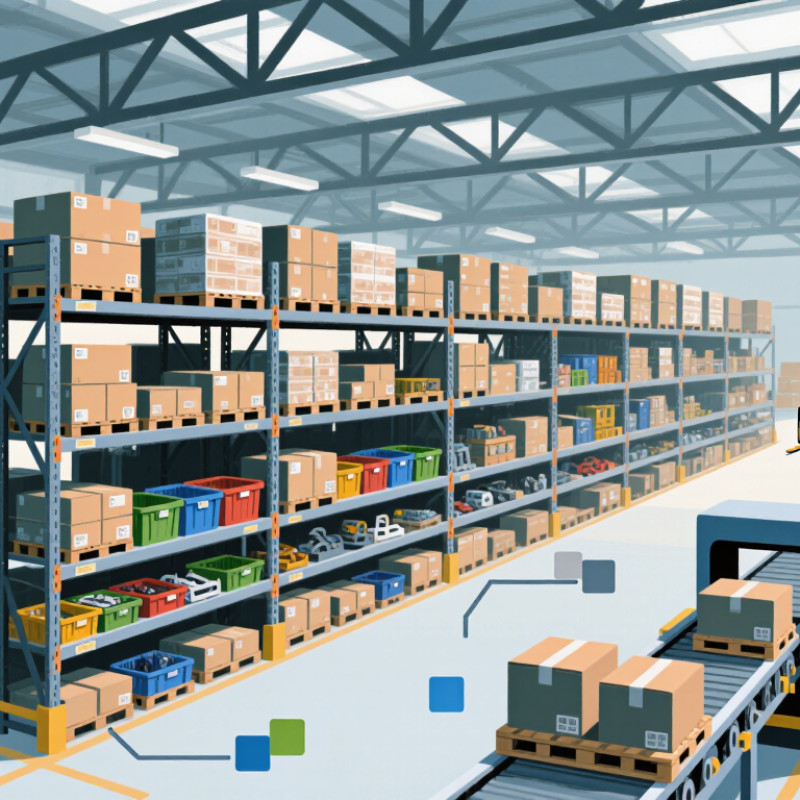
Longspan storage is an adjustable shelving system for medium-sized, manually handled goods. Its open design supports cartons, tools, spare parts, and small equipment. Shelves commonly use steel panels, wire decking, or engineered boards. Beam levels can be repositioned as inventory changes. Load capacity depends on span, shelf material, frame height, and installation quality. It is not one universal rating. That assumption deserves checking.
The 2024 MHI Annual Industry Report found that 83% of supply-chain professionals view technology and innovation as competitive advantages. Longspan storage supports this direction through clear locations, easier stock counting, and better use of vertical space. However, shelving alone does not create efficiency. Poor labeling, blocked aisles, or overloaded levels can erase its benefits. Real performance comes from matching storage dimensions with actual handling habits. A neat layout can still fail.
Tips: Measure cartons before choosing shelf depth. Keep heavy items below shoulder height. Mark each bay with its safe working load. Inspect frames, braces, and decks regularly. Leave enough aisle space for safe handling. Review the layout after seasonal demand changes. For reliable decisions, compare the design with local safety rules and the manufacturer’s tested load data.
| Data Dimension | Definition or Typical Data | Why It Matters |
|---|---|---|
| Basic Definition | Longspan storage is a shelving system designed to store medium- to heavy-duty goods across relatively long horizontal shelf spans. | It provides more usable shelf width than light-duty shelving while remaining suitable for manual loading in many applications. |
| Typical Load Category | Generally used for medium-duty storage; the safe working load depends on the frame, beam, deck, span, and configuration. | Load ratings must be checked for each individual bay rather than assumed from the appearance of the system. |
| Common Bay Width | Many modular systems use shelf widths of approximately 1.2–2.4 m, although available dimensions vary by design and supplier. | Longer shelf widths can reduce the number of frames required and improve access to grouped inventory. |
| Shelf Depth | Typical depths often range from about 300 mm to 900 mm, depending on the product and handling method. | The correct depth prevents wasted space and helps keep stored items stable and accessible. |
| Construction | Usually consists of upright frames, horizontal beams or supports, and shelf surfaces made from steel panels, particle board, wire mesh, or similar materials. | The modular construction allows damaged components to be replaced and layouts to be adapted. |
| Height Configuration | Systems may be configured as low-level shelving for manual picking or as taller units with multiple storage levels. | Using vertical space can increase storage capacity without expanding the floor area. |
| Loading Method | Most longspan shelving is accessed manually, but some configurations can support small handling equipment where aisle width and design allow it. | The loading method affects shelf height, aisle design, safety requirements, and operating speed. |
| Product Suitability | Suitable for cartons, containers, spare parts, tools, packaged goods, archive materials, and other non-palletized items. | It works well when products need organized, visible, and relatively direct access. |
| Accessibility | Longspan shelving commonly provides direct access to individual shelf levels without requiring access through other stored loads. | Direct access can improve picking productivity and simplify stock checking. |
| Adjustability | Shelf levels are often adjustable using regularly spaced connection points, although the adjustment interval differs by system. | Adjustable levels help accommodate products with different heights and reduce unused vertical space. |
| Space Efficiency | It improves storage density by combining wide shelves with multiple vertical levels, but it still requires working aisles and access clearances. | Effective planning balances storage density with safe and efficient retrieval. |
| Installation | Many systems use bolted, clipped, or otherwise mechanically connected components and can be expanded or rearranged after installation. | A modular installation can reduce disruption when storage requirements change. |
| Safety Considerations | Safe use requires compliance with the applicable local regulations, manufacturer load limits, stable placement, suitable floor conditions, and protection against impact. | Correct design and inspection help prevent overloading, instability, falling objects, and equipment damage. |
| Main Advantages | High accessibility, adaptable shelf levels, efficient use of vertical space, broad product compatibility, and comparatively simple expansion. | These features make longspan storage practical for warehouses, workshops, stockrooms, archives, and distribution areas. |
| Main Limitations | It may be less suitable for very heavy palletized loads, highly automated operations, or products requiring restricted access and controlled environments. | Selecting the wrong system can reduce productivity, create safety risks, and waste available floor space. |
It uses adjustable beams and upright frames to create wide shelving bays. It stores cartons, tools, spare parts, and loose inventory. No forklift is usually needed.
Factories place components near assembly lines. Warehouses store cartons, returns, and slow-moving products. Offices and backrooms hold files, packaging, and seasonal goods.
Open shelves improve visibility and make stock counting easier. Adjustable levels accommodate changing carton sizes. The system can turn unused wall space into practical capacity.
Measure the largest item, not the average one. Record its weight, width, depth, and height. A box that fits on paper may still block a trolley.
Keep frequently picked products between knee and shoulder height. Store heavy goods on lower levels. Place labels where workers can read them without stretching.
Check beam capacity before adding shelves or heavier goods. Inspect connections regularly, and keep walkways clear. Local load requirements should be reviewed by a qualified person.
Narrow aisles can slow picking and create awkward movements. Leave enough space for hands, workers, and handling equipment. A full shelf is not automatically an efficient shelf.
Yes, adjustable beams can respond to different product sizes and seasonal stock. However, flexibility does not repair poor planning. Recheck measurements when actual cartons differ from estimates.
Damp areas may require corrosion-resistant materials. Poor lighting can encourage rushed handling. Floor condition, ceiling height, and chemical exposure also deserve attention.
Do not assume that more shelves always create better storage. Overloading, blocked aisles, and inaccurate carton estimates can reduce safety. The spreadsheet may look perfect. Reality may disagree.
Longspan Storage is a versatile shelving solution designed to hold medium- to heavy-duty items across wide, unobstructed levels. Its core characteristics include strong horizontal beams, adjustable shelf heights, stable frames, and easy access from the front. Unlike systems intended only for small containers, it can accommodate bulky products, cartons, tools, equipment, and irregularly shaped inventory while making effective use of vertical space.
Longspan Storage systems are configured according to load requirements, available floor area, item dimensions, access methods, and future expansion plans. They are commonly used in warehouses, workshops, stockrooms, archives, retail back areas, and commercial facilities. Key benefits include increased storage capacity, improved visibility, faster picking, better organization, and more efficient use of labor and space. When selecting a system, users should evaluate load capacity, shelf adjustability, material durability, safety features, installation conditions, maintenance needs, and compatibility with existing workflows.

 Durack