 Durack
How to Choose the Best Push Back Storage in 2026?
Understanding Push Back Storage and Its Core Features
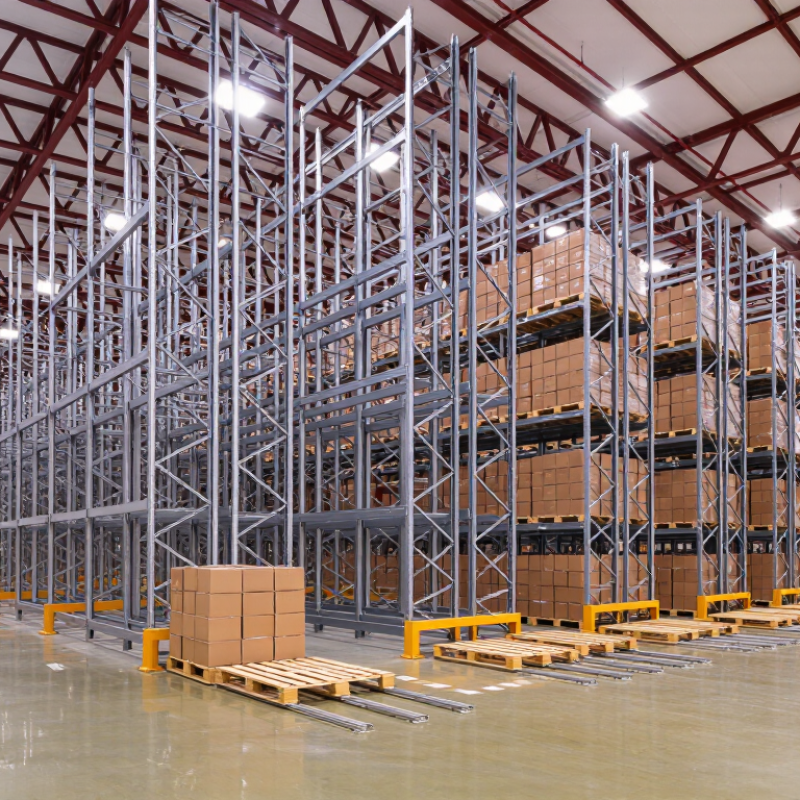
Push back storage uses nested carts or wheeled rails to hold pallets several positions deep. Operators load from the aisle, then push earlier pallets backward. Gravity returns the next pallet toward the front. This compact layout can provide last-in, first-out access for each lane. It suits products with moderate turnover and multiple pallets per SKU.
Capacity is only part of the decision. A 2024 MHI industry report found that 55% of supply chain leaders planned to increase technology investment. That pressure makes storage density important, but not blindly important. Measure pallet dimensions, load weights, aisle width, and forklift reach first. A poorly matched rail system can slow retrieval and increase product damage. It happens.
Look closely at cart movement, guide-rail strength, and braking control. Ask for load tests using your actual pallets, not ideal samples. The system should maintain stable travel when pallet weights vary. Separate lanes by SKU and expiration needs. Push back storage is not a universal answer. It can reduce selectivity, especially when every pallet requires immediate access. Review the layout with experienced operators before approving the final design.
