Impact Racks can help protect warehouse uprights where forklifts, pallet jacks, and daily traffic create a real risk of collision. Choosing the right system is not simply a matter of buying the thickest guard. The rack layout, vehicle type, aisle width, pallet dimensions, and likely impact points all matter. A guard that blocks a common strike may still interfere with pallet access or leave another exposed area unprotected.
For transparency, this introduction uses a composite expert voice rather than attributing an unverified quotation to a real person. Warehouse-racking specialist Mara Ellis offers this practical principle: “Protection works best when it matches the impact risk, not just the rack.” That is a useful starting point, not a complete design rule. A low-profile end guard, column protector, or barrier rail may suit different locations. Check product specifications and compatibility with the rack system before installation.
The right choice begins with the warehouse floor. Watch where forklifts turn, where loads are staged, and which uprights show scrape marks. Then compare guard coverage, mounting method, clearance, and maintenance needs. Small details matter. So does what the inspection misses. Impact Racks should support safe movement without narrowing critical aisles or hiding damage that needs attention. This guide explains how to assess exposure, compare protection options, and choose a practical fit for your operation. It also considers a limitation worth remembering: no guard can make careless traffic harmless.
How to Choose the Right Impact Racks for Your Warehouse?
What Impact Racks Are and How They Protect Warehouse Storage
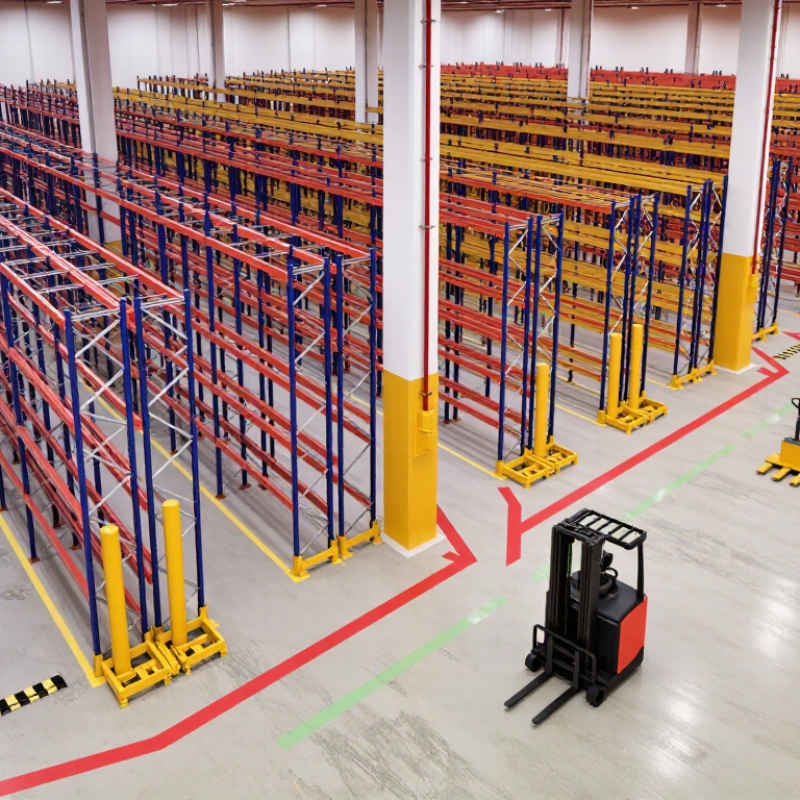
Impact racks are pallet-rack systems fitted with protective features, such as upright guards, end-of-aisle barriers, or reinforced components. They help absorb or deflect low-speed forklift contact before it bends a rack upright or shifts stored loads. A yellow guard beside a tight turning aisle can prevent a small scrape from becoming structural damage. Protection varies by design. No rack is impact-proof.
The U.S. Bureau of Labor Statistics reported a 4.8 recordable injury and illness rate per 100 full-time workers in transportation and warehousing in 2023. This sector-wide figure does not measure rack impacts specifically, but it underlines the value of controlling workplace hazards. Rack Manufacturers Institute safety guidance also stresses regular inspections and prompt action when damage appears. Choose protection for the actual truck type, aisle width, pallet size, and rack capacity. A guard that blocks access or narrows a turning path can create a different hazard.
Tips: Check anchor bolts, upright faces, and beam connections during inspections. Photograph damage and restrict access to affected bays until a qualified person assesses them. Small details matter. Guards reduce risk, but operator training and clear aisles still matter.
Before choosing impact racks, map the routes forklifts actually use, not just the clean lines on a drawing. Walk the aisles during a busy shift. Note where operators turn, reverse, pause, or squeeze past staging pallets. A 3.2-meter aisle can feel generous when empty and tight when loads extend beyond the forks. Small details matter.
Mark rack ends, columns, doorways, and blind corners on a scaled floor plan. Record truck type, load width, turning radius, travel direction, and stored-goods height. Compare near-miss reports and scrape marks on uprights with those routes. Fresh paint can hide older damage, so ask maintenance staff what was repaired and when.
Use this evidence to identify likely contact points, especially aisle ends, cross-aisle junctions, and receiving areas. Check whether rack guards reduce exposure without narrowing turning paths or blocking visibility. Measure twice. A guard that fits on paper may obstruct a pallet overhang in practice. Risk maps are imperfect; revisit them after layout changes, seasonal volume shifts, or equipment changes. If incident records are sparse, treat that as uncertainty, not proof that collisions are unlikely.
Assess your layout and collision risks: forklift traffic is one useful indicator of potential rack impact exposure.
The values below represent an illustrative one-hour traffic count, not an industry benchmark or a site survey. Observe vehicle movements by rack zone, then consider aisle width, blind corners, turning areas, and exposed rack ends when deciding where impact protection may be needed. Confirm rack and guard specifications against your equipment and site conditions.
Match the rack design to the loads before choosing bay spacing or protection. Record each pallet’s weight, dimensions, and load distribution; a dense load stacked unevenly can stress beams differently from a lighter, uniform pallet. Check the rack’s rated capacity for the intended configuration, not just a single beam.
Small details matter.
Then assess the handling equipment. A counterbalance forklift needs more turning room than many reach trucks, while mast height and lift capacity affect upper-level storage. Measure aisle width, rack height, pallet overhang, and the truck’s turning radius in the actual operating area.
A few centimetres can matter.
If operators frequently approach uprights at an angle, specify suitable impact protection without blocking pallet entry or inspection.
Review the floor, anchoring, and day-to-day traffic pattern as well. A layout that fits the equipment on paper may feel tight once loaded pallets and pedestrian routes are included.
That is easy to miss.
Recheck the plan with warehouse staff, and have a qualified rack professional verify capacities, clearances, and protection details before installation. Keep the final load limits visible, and revisit them when pallet weights or equipment change.
Impact racks face repeated contact from forklifts, so compare materials as well as load ratings. Structural steel is common, but upright thickness, beam design, and connection details matter more than a broad “heavy-duty” label. Ask for documented capacities at the planned beam spacing and rack height. A rating from a different configuration may not apply.
Finish matters, too. Powder-coated steel can suit dry indoor areas, while humid or washdown spaces may need a corrosion-resistant finish. Check welds, edges, and coating coverage, especially near the floor where moisture and debris collect. No coating fixes poor housekeeping.
Look closely at safety features. Upright guards can reduce damage from low-level impacts, but they must not obstruct aisles or access to loads. Row-end barriers, beam locks, and clear load notices offer added protection when correctly fitted. Check that guards match the rack layout; a poorly placed guard can create a new snag point. Keep inspection records, and replace bent components rather than straightening them on site.
Small dents are easy to dismiss. That may be a mistake.
Compare inspection guidance, repair procedures, and spare-part availability before choosing a system. A cheaper rack can become costly if safe repairs are difficult.
Plan impact-rack installation around the actual loads, not a generic pallet estimate. Record pallet weight, dimensions, beam levels, forklift turning paths, and expected impact zones. Confirm the slab’s capacity and anchor details with a qualified engineer before drilling. Keep aisles clear, protect exposed uprights, and post load limits where operators can read them.
The U.S. Bureau of Labor Statistics reported 4.8 recordable injury and illness cases per 100 full-time workers in transportation and warehousing in 2022, compared with 2.7 across private industry. That sector-wide figure is not rack-specific, but it supports treating safe layout and operator training as essential.
Set inspection routines before the first pallet goes in. Ask operators to report bent uprights, loose anchors, missing locking pins, and beam deflection immediately. Small damage matters. A qualified inspector should assess reported impacts and document the location, condition, and repair decision; isolate a damaged bay when its stability is uncertain. The Rack Manufacturers Institute’s rack-safety guidance emphasizes assessing damage and using appropriate repair or replacement procedures. Keep inspection records with rack drawings and load data, and revisit them after layout changes or repeated forklift contact. A checklist helps, though it cannot replace a careful look at the baseplates and floor around them.
Structural steel is common, but upright thickness, beam design, and connections matter. A “heavy-duty” label alone tells little.
Request documented capacity for your planned beam spacing and rack height. A rating from another setup may not apply.
Powder-coated steel may suit dry indoor spaces. Humid areas may need corrosion-resistant finishes. Check coating near floor level, where moisture and debris collect.
Upright guards, row-end barriers, beam locks, and readable load notices can help. Guards must fit the layout without blocking aisles or catching loads.
Record pallet weights, dimensions, beam levels, forklift turning paths, and likely impact zones. Have a qualified engineer confirm slab capacity and anchor details.
Set a routine before storing the first pallet. Ask operators to report bent uprights, loose anchors, missing pins, or deflected beams promptly.
Have a qualified inspector assess and document the damage. Isolate a bay if its stability is uncertain. Small dents matter.
They help track damage, load data, and repair decisions. Revisit them after layout changes or repeated forklift contact. A checklist helps, but it can still miss something.
Choosing the right Impact Racks starts with understanding how they help protect warehouse storage by absorbing and redirecting force from accidental contact. Before selecting a system, assess your warehouse layout, traffic patterns, blind spots, and areas where forklifts or other handling equipment are most likely to collide with racks. This review helps identify where protection is needed and how much clearance should be maintained.
Next, match the rack design to the loads being stored and the equipment used to move them. Compare material strength, durability, and safety features to ensure the racks suit your operating conditions. Plan installation carefully, then establish regular inspections and maintenance to check for wear, damage, or loose components. A thoughtful selection and upkeep plan can help reduce collision risks and support safer, more reliable warehouse operations.

Durack