What Is Carton Flow Storage and How Does It Work?

Time:2026-10-24 Author:Mason
0%

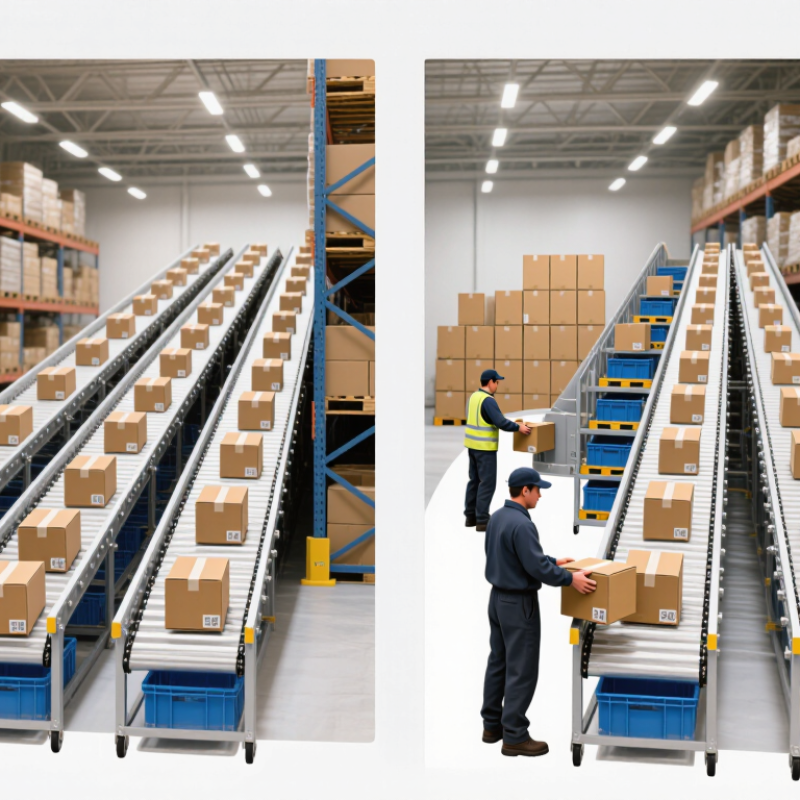
In fast-moving warehouses, small products often create large picking delays. Carton Flow Storage offers a practical way to organize cartons, totes, and hand-picked inventory. It uses inclined roller or wheel lanes, allowing cartons to move toward the operator by gravity. A replenishment team loads stock from the rear, while pickers work from the front. That simple separation can reduce walking, search time, and front-facing clutter.

A typical lane includes a frame, rollers, a guide rail, and a stop bar. When one carton is removed, the next carton advances into position. This creates a visible first-in, first-out sequence for many dated or batch-sensitive goods. However, the system is not automatically suitable for every carton size or product weight. Poorly matched rollers may cause cartons to stall, tilt, or move too quickly. That is where practical assessment matters. Warehouse teams should test actual cartons, not rely only on catalog dimensions. They should check lane depth, replenishment access, load capacity, and picking frequency.

Good design also considers ergonomics, label visibility, safety stops, and future inventory changes. Measurements should reflect real working conditions, including damaged packaging and uneven loads. Small layout assumptions can create repeated reaching and unnecessary corrections. Those details are easy to overlook. This guide explains how Carton Flow Storage works, where it performs well, and what limitations deserve attention. The goal is not to present a universal answer. It is to support a reliable, evidence-based storage decision.
What Is Carton Flow Storage and How Does It Work?

Carton Flow Storage Defined: Gravity-Fed FIFO Lanes for Cartonized Goods

What Is Carton Flow Storage and How Does It Work?

Carton flow storage uses inclined roller or wheel lanes to move cartons by gravity. Each lane supports one stock-keeping unit, or SKU. Replenishment happens from the rear, while picking occurs from the front. This arrangement creates a practical first-in, first-out system for cartonized goods.

As an operator removes the front carton, the cartons behind it roll forward automatically. Lane dividers keep products aligned and reduce unwanted movement. Clear labels help workers identify each SKU quickly. A backstop, brake roller, or speed controller can manage momentum, especially with heavier cartons. The system works well for order picking, kitting, and small-part distribution.

Design quality matters. Engineers should check carton dimensions, weight, packaging strength, and daily picking volume before selecting lane widths. A weak carton may deform under pressure and stop the lane. Very light cartons may also fail to move consistently. That is an easy detail to overlook. Regular inspections should remove damaged rollers, loose dividers, and empty packaging. Operators should also load cartons squarely and avoid mixing SKUs within one lane.

Carton flow storage saves walking time and improves stock visibility, but it is not perfect. Fast-moving items may need wider lanes or multiple channels. Slow-moving products can waste valuable pick-face space. A careful slotting review keeps the gravity-fed FIFO design efficient and reliable.

Key Components: 2–3% Roller-Bed Slope, Dividers, Rails, and Pick Faces

What Is Carton Flow Storage and How Does It Work?

Carton flow storage uses gravity to move cartons from a replenishment side toward an accessible pick face. Each lane contains rollers or wheels that support controlled forward movement. A 2–3% roller-bed slope usually provides enough momentum for standard cartons without creating excessive speed. The exact angle still depends on carton weight, base material, and packaging quality.

Dividers separate products and keep each stock-keeping unit in its own lane. Rails guide cartons and prevent them from drifting sideways during movement. At the front, pick faces give workers direct access to inventory. Clear labels and consistent carton orientation can reduce search time. Small face extensions also help prevent cartons from falling during repeated picking.

In practical warehouse assessments, the slope should be tested with real cartons, not empty boxes. Lightweight cartons may stop halfway, while dense cartons may strike the front rail too hard. That balance matters. Inspectors should check roller spacing, lane alignment, and rail height during routine maintenance. A common weakness is assuming every carton behaves the same. They do not. Damp packaging, crushed corners, and uneven loads can change flow performance quickly. Adjustments may improve safety, but they can also reduce usable storage density.

How It Works: Rear Loading and Front Picking Maintain FIFO Rotation

What Is Carton Flow Storage and How Does It Work?

Carton flow storage uses inclined roller lanes to move cartons by gravity. Each lane has a loading side and a picking side. Workers replenish stock from the rear, while pickers collect cartons from the front. This arrangement supports a clear first-in, first-out rotation.

When a new carton enters, it pushes older cartons toward the picking face. The front carton remains easy to reach, reducing unnecessary movement and search time. This works well for items with regular turnover, such as packaged components or small order units. However, FIFO is not automatic. Incorrect loading can place newer cartons ahead of older ones.

Good lane design depends on carton size, weight, and surface condition. Rollers must support smooth movement without allowing cartons to accelerate dangerously. Pickers should confirm labels at the front before removing stock. Supervisors can inspect lane order during routine cycle counts. These practical checks improve accuracy and reveal problems early. Still, some cartons may stop halfway. Humidity, damaged packaging, or uneven loading can interrupt flow.

Tips: Keep heavier cartons in lanes with suitable roller spacing. Load one carton at a time and face labels outward. Mark rear loading and front picking zones clearly. Review slow-moving lanes regularly, because unused space can hide poor rotation. A simple daily check often prevents larger inventory mistakes.

Capacity Planning: Lane Depth, Carton Dimensions, and 100% SKU Accessibility

What Is Carton Flow Storage and How Does It Work?

Capacity planning starts with demand, not shelf length. Each lane should hold the cartons needed between replenishment cycles, plus a measured safety buffer. For example, 18 cartons of daily demand, replenished every two days, require at least 36 carton positions. Add 10–15% capacity for demand swings. That assumption is imperfect, but using average demand alone creates stockouts during promotions.

Carton dimensions must be measured from real inventory. Record length, width, height, weight, and carton compression. A lane should provide enough clearance for smooth flow without allowing cartons to rotate or jam. Divide usable lane depth by carton pitch to estimate positions. Then test the calculation with loaded cartons. Small dimensional errors can remove several positions across a long rack.

One SKU per lane protects 100% accessibility. Operators can reach every carton without moving another SKU. This supports accurate picking and simpler replenishment. WERC 2024 DC Measures report places order-picking accuracy near 99.5% at the median benchmark, showing how small handling errors matter. MHI’s 2024 Annual Industry Report found that 55% of supply chain professionals planned to increase innovation investment. Carton flow can support that goal, but only when lane depth matches actual velocity. Oversized lanes waste space. Shallow lanes increase replenishment work. Pilot testing remains essential.

Operational Benefits: Faster Picking, Better Density, and Reduced Travel Time

Carton flow storage uses inclined roller or wheel lanes to move cartons toward the picking face. Workers load products from the rear and pick them from the front. Gravity keeps each carton moving forward as space becomes available. This arrangement supports first in, first out rotation for many suitable items. It also keeps stock visible, organized, and ready for repeated order picking.

The main operational benefit is faster picking. Employees can reach products without searching through deep shelves or walking to scattered locations. Shorter travel paths reduce fatigue and increase the number of orders handled per hour. Vertical lanes also use warehouse height more effectively, improving storage density within a smaller footprint. However, the system is not perfect. Poor slotting can create congestion, while heavy cartons may move too quickly or damage lane components. Product demand must be reviewed regularly.

Tips: Place high velocity items near comfortable picking zones. Match lane width and roller strength to carton size. Label every location clearly. Test replenishment routines before full installation. Small errors matter. A missing carton can interrupt an entire picking sequence. Practical audits, employee feedback, and measured picking times help confirm whether the layout delivers real savings.

FAQS

What is carton flow storage?

It uses inclined rollers or wheels to move cartons forward by gravity. Each lane usually holds one stock-keeping unit. It supports organized carton picking.

How does the FIFO process work?

Workers load cartons from the rear and pick them from the front. Older cartons move forward first. The rotation is simple, but loading mistakes can break FIFO.

What happens when the front carton is removed?

Cartons behind it roll toward the picking face. Lane dividers keep them aligned. A brake roller may slow heavy cartons.

Which cartons suit this storage system?

Stable cartons with consistent sizes and suitable weights work best. Packaging should resist pressure. Weak cartons may bend and stop midway.

How can workers improve picking accuracy?

Clear labels should face the picker. Workers should confirm the carton label before removal. Keep one SKU in each lane. Small checks matter.

What safety or flow problems can occur?

Heavy cartons may accelerate too quickly. Very light cartons may not move reliably. Humidity, damaged packaging, and uneven loading can also interrupt flow.

How should lanes be designed?

Engineers should review carton dimensions, weight, surface condition, and daily picking volume. Roller spacing must support the carton properly. A narrow lane may create jams.

Does carton flow storage always save space?

It can reduce walking and improve stock visibility. However, slow-moving cartons may waste pick-face space. Fast-moving items may need wider lanes or multiple lanes. Review the layout honestly.

Conclusion

Carton Flow Storage is a gravity-fed shelving system designed for organizing cartonized goods while supporting efficient first-in, first-out (FIFO) inventory rotation. Its roller-bed lanes are typically installed with a 2–3% slope, allowing cartons loaded from the rear to move smoothly toward the picking face. Dividers and side rails keep products aligned, while clearly defined pick faces make items easy to identify and retrieve.

Effective capacity planning depends on selecting the appropriate lane depth, accommodating carton dimensions, and maintaining 100% accessibility to every SKU. With replenishment handled from the back and picking performed from the front, older inventory naturally moves forward before newer stock. This layout can speed up order fulfillment, improve storage density, reduce unnecessary travel time, and create a more organized workflow. By combining gravity movement with thoughtful lane configuration, Carton Flow Storage helps operations manage inventory consistently while making picking faster and more predictable.

Mason

Mason

Mason is a seasoned marketing professional with a deep expertise in the company's offerings and a passion for driving brand awareness. With a strong background in digital marketing strategies, he has an innate ability to connect with diverse audiences and effectively communicate product benefits.......