What Are the Best Shelving Systems Made in China?

Time:2026-09-10 Author:Sophia
0%

Choosing the best Shelving Systems made in China requires more than comparing catalog prices. The right choice depends on load capacity, storage density, corrosion resistance, and installation conditions. China’s manufacturing base offers extensive steel-processing capacity, automated welding, and flexible customization. However, quality varies between factories. A polished product photo proves little.

Industry data supports closer evaluation. The MHI 2024 Annual Industry Report identified automation and supply-chain technology as continuing investment priorities among logistics professionals. The report also highlighted labor pressure, accuracy, and warehouse efficiency. These concerns directly affect shelving design. A beam that bends under uneven loading can damage inventory and interrupt operations. Small details matter, including upright thickness, connector fit, powder-coating coverage, and pallet clearance.

Reports from Interact Analysis on warehouse automation also show stronger demand for integrated storage and material-handling solutions. This trend makes modular Shelving Systems more valuable. They can support future changes without forcing a complete warehouse redesign. Yet modularity is not automatically better. Weak locking mechanisms or unclear load charts create avoidable risks.

This guide compares Chinese shelving manufacturers through practical criteria: steel specifications, static and dynamic load testing, production traceability, export experience, and after-sales support. Relevant standards, such as EN 15512 and ANSI/RMI guidance, provide useful reference points, although local project requirements still need professional review. Factory audits, sample inspections, and installation checks remain essential.

There is no universal “best” system. A solution for carton picking may fail in a cold-storage facility. That limitation deserves attention. By combining published industry reports with real warehouse conditions, buyers can identify reliable Shelving Systems rather than choosing only the lowest quotation.
What Are the Best Shelving Systems Made in China?

Types of Shelving Systems Manufactured in China

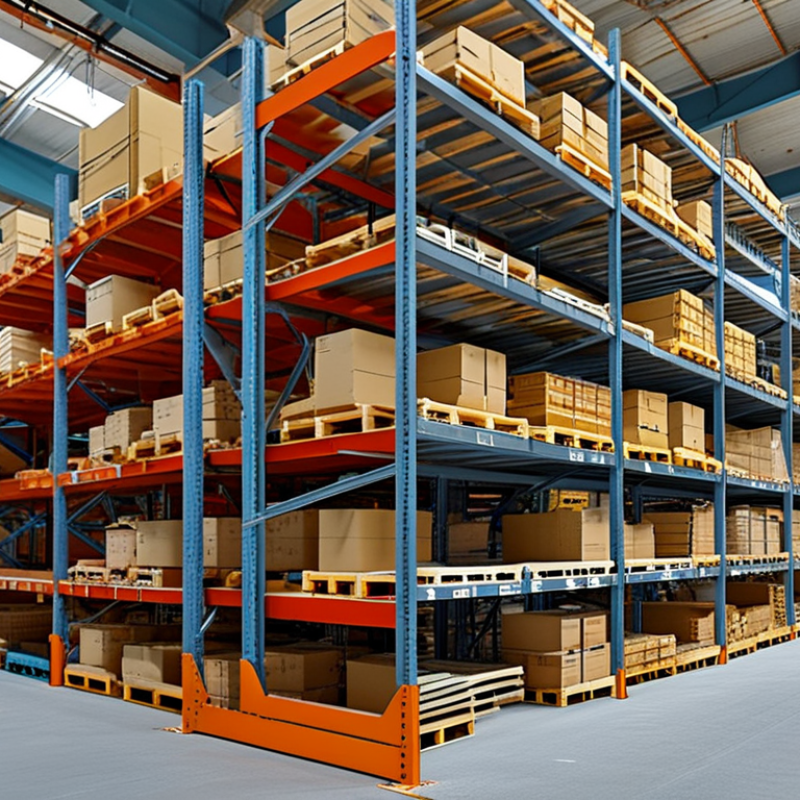
China’s shelving manufacturers produce systems for warehouses, shops, archives, and workshops. Pallet racking supports heavy loads and forklift access. Boltless shelving suits cartons, tools, and small parts. Cantilever racks hold timber, pipes, and other long materials. Mobile shelving saves floor space by moving on guided rails. Carton-flow designs use inclined rollers, helping older stock move forward. Mezzanine-supported systems add storage above working areas, but they require careful structural review. The best choice depends on load weight, aisle width, ceiling height, and daily handling habits.

Tips: Ask for a load chart, steel thickness, surface-treatment details, and installation tolerances. Request sample weld photographs and a trial assembly when possible. Measure each pallet, not just the average one. Small details matter. A small size difference can change the whole layout. Powder coating works well indoors, while humid environments may need stronger corrosion protection. Check beam deflection, upright damage protection, and replacement-part availability before ordering. These details are easy to overlook.

In my experience, price comparisons become unreliable when quotations use different steel grades or accessories. A cheaper frame may need extra bracing later. That is not always a manufacturing failure; sometimes the original specification was incomplete. Factory audits, third-party inspections, and clear drawings improve reliability. Still, inspection cannot replace practical testing. A rack can look precise yet feel awkward during picking. That assumption fails. Leave room for human movement, maintenance, and future stock changes.

Key Features of China-Made Shelving Systems

China-made shelving systems are increasingly defined by modular engineering, not low price alone. UNIDO data show China contributed about 31% of global manufacturing value added in 2022. This scale supports large steel-processing capacity and competitive customization. Common systems use adjustable beams, punched uprights, reinforced braces, and powder-coated surfaces. These details matter. They affect stability, corrosion resistance, and future expansion.

MHI’s 2024 Annual Industry Report found that 36% of surveyed supply-chain professionals currently use robotics and automation. Shelving should therefore support changing workflows. Select systems with clear load labels, repeatable beam adjustment, and space for scanners or conveyors. Boltless designs speed up installation. Bolted frames often provide stronger control for heavier loads. Neither option is automatically better. The storage environment decides.

I would also inspect weld consistency, coating thickness, and connector fit before ordering. A factory certificate is useful, but it does not replace independent load testing. Ask for production samples and dimensional inspection records. One weakness deserves attention: some suppliers publish impressive maximum loads without explaining test conditions. That figure may change with beam spacing, floor quality, or uneven loading. Chinese manufacturers can provide strong value, but buyers still need drawings, tolerance data, and a documented inspection plan. Practical performance begins with details.

How to Compare Shelving Quality, Capacity, and Design

Comparing shelving made in China requires more than checking the lowest quotation. Quality starts with steel grade, weld consistency, coating thickness, and dimensional accuracy. During factory audits, inspect upright holes and beam connectors closely. Uneven spacing can create unstable adjustments. Ask for material certificates, load-test records, and a documented quality-control process. ISO 9001 certification supports process reliability, but it does not replace physical inspection. A certificate is only evidence, not proof.

Capacity figures need careful reading. Confirm whether the stated load applies per shelf, per bay, or to a uniformly distributed load. Check the safety factor, beam deflection, floor condition, and anchoring method. ANSI MH16.1 and EN 15635 provide useful references for design and inspection practices. The MHI 2024 Annual Industry Report surveyed more than 1,700 supply-chain professionals, highlighting inventory visibility and operational resilience as continuing priorities. That matters because a shelf system must support changing stock patterns, not only today’s carton sizes.

Design should improve movement, access, and future expansion. Measure aisle width with an occupied forklift, not an empty drawing. Adjustable shelf levels, modular bays, clear labels, and corrosion-resistant finishes usually deliver practical value. In humid storage areas, powder coating alone may disappoint without proper pretreatment. I have seen attractive systems lose capacity after rushed installation. The mistake is easy to miss. Compare test evidence, tolerances, installation instructions, replacement-part availability, and real operating conditions before choosing. (MHI, 2024 Annual Industry Report; ANSI MH16.1; EN 15635)

What Are the Best Shelving Systems Made in China?

This benchmark compares common Chinese-made shelving categories by rated shelf capacity, typical number of storage levels, and upright steel thickness. Higher capacity and thicker steel generally indicate stronger construction, while more levels support better space efficiency.

The figures represent typical published specifications for standard industrial shelving configurations. Actual performance depends on shelf size, evenly distributed loading, steel grade, bracing, coatings, and installation quality.

Best Applications for Different Chinese Shelving Systems

What Are the Best Shelving Systems Made in China?

Chinese shelving systems suit different storage environments when selected by load, access, and available space. Boltless shelving works well in workshops, archives, and small warehouses. It supports cartons, tools, and spare parts without complicated installation. Adjustable beams help when product sizes change often. Measure twice.

Long-Span Shelving

Long-span shelving fits retail backrooms and medium-duty warehouse zones. Its wider decks can hold boxed appliances, fabric rolls, or packaged furniture.

Pallet Racking

For high-volume operations, pallet racking offers better vertical storage. It needs forklifts, marked aisles, and careful load distribution.

Mobile Shelving

Mobile shelving can increase archive capacity, but it requires a level floor and disciplined access control.

Tips:

Check the stated load per level, not only the total capacity. Ask for drawings, material thickness, coating details, and inspection records. Test one assembled bay before ordering a full system. Look for uneven frames, sharp edges, or loose connectors. In my site assessments, many problems came from poor anchoring rather than weak steel. That detail is easy to miss. Leave enough clearance for sprinklers, lighting, and emergency movement. A cheaper layout may become expensive after relocation. Inspect shelves periodically, especially after impacts or major stock changes.

How to Select a Reliable Chinese Shelving Manufacturer

Choosing a reliable Chinese shelving manufacturer requires more than comparing prices. In warehouse projects, I have found that factory experience matters most when storage conditions are demanding. Ask how many years the manufacturer has produced industrial shelving. Request project photos, technical drawings, and recent customer references. A professional supplier should explain load ratings clearly, not hide behind general claims.

Visit the factory if possible. Observe welding areas, powder-coating lines, and finished-goods storage. Check whether workers use calibrated measuring tools. Ask for material certificates and quality inspection records. Independent load testing can confirm whether beams support their stated capacity. Small details matter. Uneven welds can become costly problems later.

Communication also reveals reliability. The manufacturer should confirm dimensions, steel thickness, surface treatment, packaging, and delivery dates in writing. Check whether engineers review your warehouse layout before production. Clarify replacement procedures for damaged parts and missing hardware. A low quotation may exclude installation support or export packaging. That mistake is common. I would also order a sample before placing a large order. Samples can expose weak coatings, poor fit, or confusing instructions. No supplier is perfect, and even experienced factories may make errors. What matters is whether they acknowledge them, document corrective actions, and improve the next batch.

What Are the Best Shelving Systems Made in China? - How to Select a Reliable Chinese Shelving Manufacturer
System Type Typical Application Typical Load Range per Level Key Advantages Important Specifications to Confirm Suitability for Different Buyers
Boltless Rivet Shelving Warehouses, workshops, archives, retail back rooms, and general storage areas Approximately 100–500 kg per level, depending on beam, deck, and frame design Fast assembly, adjustable levels, minimal hardware, and relatively low installation cost Uniformly distributed load, frame thickness, beam connection design, deck material, and included bracing Best for general-purpose storage
Long-Span Shelving Bulky cartons, packaging materials, tools, spare parts, and medium-sized products Approximately 200–800 kg per level Long shelf spans, good accessibility, flexible configuration, and efficient use of floor space Clear span, shelf deflection under load, beam profile, support spacing, and anchoring method Best for medium-duty applications
Heavy-Duty Pallet Racking Palletized goods stored with forklifts or other material-handling equipment Approximately 800–4,000 kg per pallet position, subject to engineering design High vertical storage capacity, scalable bays, and compatibility with warehouse handling equipment Maximum pallet weight, bay capacity, upright load, beam capacity, aisle width, floor strength, and impact protection Best for industrial warehouses
Mobile Shelving Archives, libraries, records rooms, laboratories, and space-constrained storage areas Approximately 100–800 kg per level, depending on the shelving structure and carriage system Can increase storage density by reducing fixed aisles and provides controlled access to stored items Rail installation, floor loading, drive mechanism, anti-tip protection, emergency release, and maximum bay length Best for high-density storage
Mezzanine-Supported Shelving Facilities requiring additional storage levels without constructing a permanent building extension Typically 300–1,000 kg per square metre for the platform, subject to structural engineering Creates additional usable floor area and can combine shelving, offices, picking zones, or work platforms Column grid, platform loading, stairways, handrails, guardrails, fire safety, and local building requirements Best for vertical expansion
Cantilever Racking Long or irregular products such as pipes, timber, metal sections, panels, and mouldings Approximately 200–1,500 kg per arm, depending on arm length and column design Open-front access, adjustable arms, and efficient storage of long loads Arm capacity, column stability, base length, product overhang, bracing, and load distribution Best for long materials
Stainless-Steel or Corrosion-Resistant Shelving Food preparation, clean areas, laboratories, healthcare facilities, and humid environments Approximately 80–400 kg per level, depending on material thickness and shelf design Improved corrosion resistance, easy cleaning, and suitability for hygienic environments Steel grade, weld quality, surface finish, rounded edges, shelf load, and cleaning-chemical resistance Best for hygienic or humid areas
Carton Flow Shelving Order picking, small-item distribution, first-in-first-out inventory, and assembly operations Approximately 50–250 kg per level or lane, depending on roller design Improves picking speed, supports stock rotation, and keeps product presentation organized Roller load rating, lane width, carton dimensions, replenishment method, dividers, and stop bars Best for fast-moving items
Automated Storage-Compatible Racking High-throughput distribution centres and warehouses using cranes, shuttles, or robotic systems Project-specific; commonly engineered for pallet or tote loads from 50 kg to more than 1,000 kg High storage density, improved inventory control, and reduced manual handling Dimensional tolerances, rail alignment, seismic requirements, automation interface, and system integration Best for automated facilities
Recommended Manufacturer Evaluation Criteria Applicable to any Chinese shelving or racking supplier Not applicable Helps compare suppliers on engineering capability, manufacturing consistency, and after-sales support Verify material certificates, load-test records, production drawings, welding and coating controls, inspection reports, packaging, installation instructions, spare parts, and warranty terms Essential for supplier selection
All load figures are indicative industry ranges for preliminary comparison only. Actual safe working loads depend on the complete design, material thickness, span, connection method, floor conditions, seismic requirements, installation quality, and the manufacturer’s documented engineering calculations. Request a signed load chart and project-specific drawings before placing an order.

FAQS

: What types of shelving systems are available?

: Common options include pallet racking, boltless shelving, cantilever racks, mobile shelving, carton-flow systems, and mezzanine-supported storage. Each suits different loads and working spaces. The right choice depends on access, height, and daily handling.

Which system suits cartons, tools, and small parts?

Boltless shelving works well for workshops, archives, and small warehouses. It supports cartons, tools, and spare parts. Adjustable levels help when product sizes change. Measure twice.

When is pallet racking a suitable choice?

Pallet racking suits high-volume storage and vertical space. It requires forklifts, marked aisles, and balanced load distribution. Measure aisles with an occupied forklift, not an empty drawing.

What should buyers check when comparing quality?

Check steel grade, weld consistency, coating thickness, and dimensional accuracy. Inspect upright holes and beam connectors closely. Uneven spacing can weaken adjustments. Ask for material records and load-test evidence.

How should shelving capacity be evaluated?

Confirm whether capacity applies per shelf, per bay, or to evenly distributed loads. Review beam deflection, safety factors, floor conditions, and anchoring methods. A total capacity figure can mislead.

Which details matter in humid storage areas?

Humid areas may need stronger corrosion protection and proper surface preparation. Indoor powder coating may not be enough. Check coating details before ordering. Rust begins quietly.

How can buyers test a shelving system before a large order?

Request drawings, installation instructions, sample weld photographs, and a trial assembly. Test one complete bay when possible. Look for sharp edges, loose connectors, uneven frames, and awkward access. A neat photograph proves little.

What design details are easy to overlook?

Leave clearance for sprinklers, lighting, maintenance, and emergency movement. Plan for replacement parts and future stock changes. Protect uprights from impacts. I might underestimate relocation costs. That deserves a second review.

Conclusion

China manufactures a wide range of Shelving Systems, including boltless units, rivet racks, heavy-duty pallet shelving, cantilever racks, mobile shelving, and adjustable warehouse solutions. These systems can be designed for retail stores, offices, workshops, archives, garages, and industrial facilities. Key advantages often include modular structures, flexible height adjustment, efficient space utilization, durable finishes, and options for different load capacities. However, quality can vary, so buyers should carefully assess materials, welding or connection methods, surface treatment, stability, safety features, and ease of assembly.

When comparing products, consider the required load per shelf, total storage capacity, available floor space, accessibility, expansion needs, and operating environment. A reliable Chinese shelving manufacturer should provide clear specifications, consistent quality control, load-testing information, customization support, responsive communication, and practical after-sales service. Reviewing production experience, inspection procedures, sample quality, packaging standards, and delivery performance can help buyers make a confident decision. The best system is not simply the lowest-priced option, but the one that offers an appropriate balance of strength, design, durability, safety, and long-term value.

Sophia

Sophia

Sophia is a dedicated marketing professional with an exceptional depth of knowledge about her company's products and services. With a keen understanding of market trends and customer needs, she crafts insightful blog posts that not only inform but also engage readers, enriching the company’s online......