Pallet Flow Storage systems are transforming the logistics industry. According to a recent report by the Warehousing Association, approximately 30% of warehouses now implement dynamic storage solutions. Pallet Flow Storage optimizes space and enhances product accessibility, allowing for faster turnover rates. This system uses inclined lanes to move items effortlessly, minimizing handling times.
Research indicates that warehouses utilizing Pallet Flow Storage can increase space efficiency by 50%. This remarkable improvement results from the gravity-driven flow of pallets, ensuring that stock is rotated effectively. Additionally, a study by the National Institute of Standards and Technology found that streamlined processes lead to a 30% reduction in picking errors. However, the initial investment and complexity can be challenging for some businesses.
Not every organization can fully leverage these benefits. Factors such as inventory variety and fluctuations can impact efficiency. Companies must carefully assess their needs before adopting these systems. Despite potential hurdles, the advantages of Pallet Flow Storage are notable. Increased efficiency and reduced labor costs often lead to long-term savings. As the industry evolves, embracing such innovations is crucial for future success.
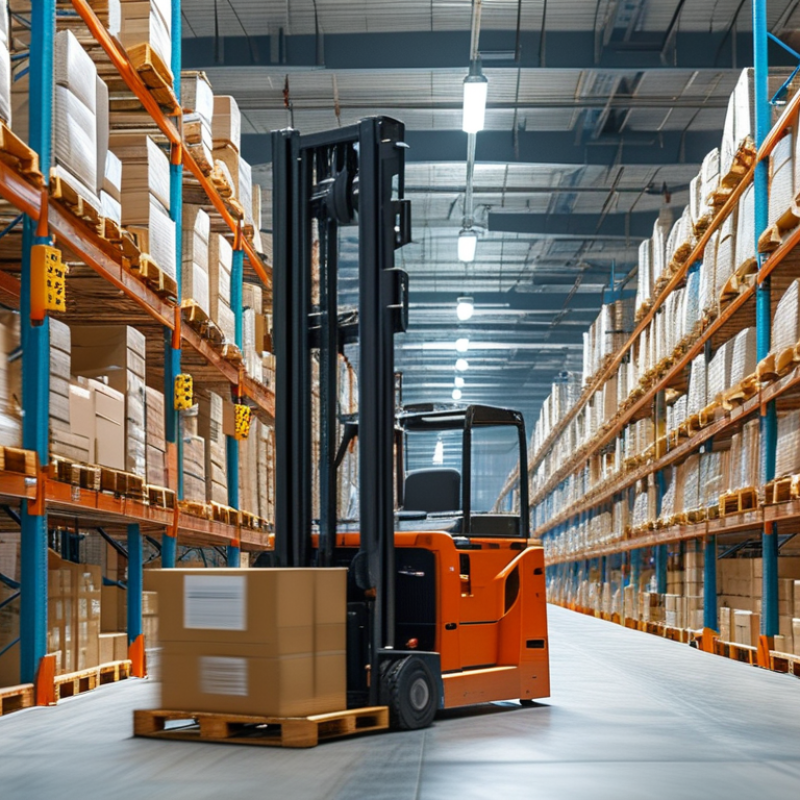
Pallet flow storage systems enhance efficiency by optimizing space and streamlining operations. They use gravity to move pallets through a system of rollers. This design allows for first-in, first-out access, reducing product mix-ups and improving inventory accuracy. When inventory management is efficient, staff can focus on tasks that matter. This leads to higher productivity overall.
However, implementing pallet flow storage isn't always perfect. Depending on warehouse layout and item size, extra training might be necessary. Employees need to understand how to load and unload pallets properly. This knowledge helps prevent potential accidents and ensures smooth operation. Still, challenges can arise if the system isn't matched to specific warehouse needs.
The increased throughput from pallet flow storage offers undeniable advantages. As pallets flow through the system seamlessly, the order-picking process speeds up. This translates to faster order fulfillment for customers. Creating a balance between speed and safety is essential. Constantly evaluating the system allows for improvements in both efficiency and accuracy, promoting a cycle of continuous enhancement in operations.
Pallet flow storage solutions enhance warehouse efficiency by maximizing space. These systems use gravity to move pallets, minimizing wasted areas. By optimizing vertical and horizontal space, businesses can store more products in less square footage. This efficient layout reduces the need for larger facilities, saving on rent and utilities.
Cost savings do not just come from space reduction. Improved inventory management is also a factor. With easy access to products, businesses can reduce the time spent picking orders. This can lead to lower labor costs and increased productivity. Well-organized storage minimizes the risk of errors, further cutting down operational expenses.
However, implementing pallet flow systems is not straightforward. Some companies may struggle with initial setup costs. There can also be a learning curve for staff adaptation. Regular maintenance is necessary to ensure the systems operate effectively. Reflecting on these challenges can lead to better decision-making for future storage solutions.
Pallet flow storage solutions transform how businesses manage inventory. They increase accessibility and organization within warehouses. This system allows for first-in, first-out (FIFO) stock rotation. It minimizes the risk of products expiring or becoming obsolete. As a result, companies can maintain fresher inventory levels.
One key advantage is enhanced accessibility. Items are loaded at the back and picked from the front, ideal for high-volume operations. This streamlined process reduces picking times significantly. Workers can quickly locate and retrieve products. However, over-reliance on automated systems can lead to issues. Regular maintenance is critical to avoid disruptions.
Tips for effective pallet flow usage: Regularly inspect and maintain equipment to ensure smooth operations. Train staff on best practices for loading and picking. Encourage feedback from workers to identify areas for improvement. Reflect on your inventory strategies to maximize efficiency and reduce waste.
Pallet flow storage solutions are transforming warehouse safety. They reduce the risk of product damage significantly. According to recent industry reports, facilities using pallet flow systems see a 30% decrease in damage incidents. This is crucial for maintaining product integrity and minimizing loss.
The design of pallet flow racks enhances safety features. These systems often use gravity to move pallets, resulting in fewer mechanical handling errors. A study by the Warehousing Education and Research Council indicated that organizations employing these systems experienced a 25% reduction in workplace accidents. This not only protects workers but also ensures efficient operations.
While pallet flow solutions offer clear advantages, the implementation can be challenging. Proper training is essential. If employees are not adequately trained, it can lead to confusion and accidents. Moreover, the initial costs can be a barrier for some businesses. Investing in safety and damage reduction is worth considering for long-term benefits.
Pallet flow storage solutions offer significant scalability and adaptability for modern warehouses. As businesses grow, so do their storage needs. With pallet flow systems, warehouses can easily adjust to changing inventory levels. This flexibility is crucial in today’s fast-paced market. It allows businesses to expand operations without extensive renovations or new purchases.
Implementing a pallet flow system can make the most of vertical space. This design feature supports efficient storage while keeping aisles clear and accessible. However, changes in inventory demand can challenge any storage system. It requires constant evaluation of workflow and space allocation. Companies must be vigilant to prevent overstock or dead inventory in their systems.
A well-implemented pallet flow solution encourages efficient order picking. When more space for different products is needed, the system enables seamless additions. Yet, it demands regular maintenance to ensure everything functions smoothly. Neglecting this could lead to bottlenecks. The need for continual adaptation can feel overwhelming, but it is necessary for sustained efficiency.
: They are systems that organize and manage warehouse inventory efficiently.
They allow for first-in, first-out stock rotation, reducing expiration risks.
Enhanced accessibility for quick picking and loading of items.
Yes, over-reliance on automation can lead to disruptions if not maintained.
Regular inspections and maintenance are crucial to avoid operational issues.
They reduce damage incidents by about 30%, protecting product integrity.
Yes, they can lead to a 25% reduction in workplace accidents.
Proper training is essential; otherwise, it can cause confusion and accidents.
Initial costs may be high, but benefits can outweigh the investment.
Encouraging feedback from workers can identify improvement areas for efficiency.
Pallet Flow Storage solutions provide several key benefits that enhance warehouse efficiency and operational effectiveness. One of the primary advantages is the increased efficiency gained through a dynamic storage system that allows for a first-in, first-out (FIFO) inventory flow. This design optimizes space utilization, leading to significant cost savings by maximizing storage density and reducing the need for excessive storage areas.
In addition, Pallet Flow Storage enhances inventory management and accessibility, allowing for quick access to products while improving safety features that minimize the risk of product damage. These systems are also scalable and adaptable, easily accommodating the evolving needs of growing warehouses. Overall, implementing Pallet Flow Storage can transform warehouse operations, ensuring a streamlined process that supports both current and future logistics demands.

Durack